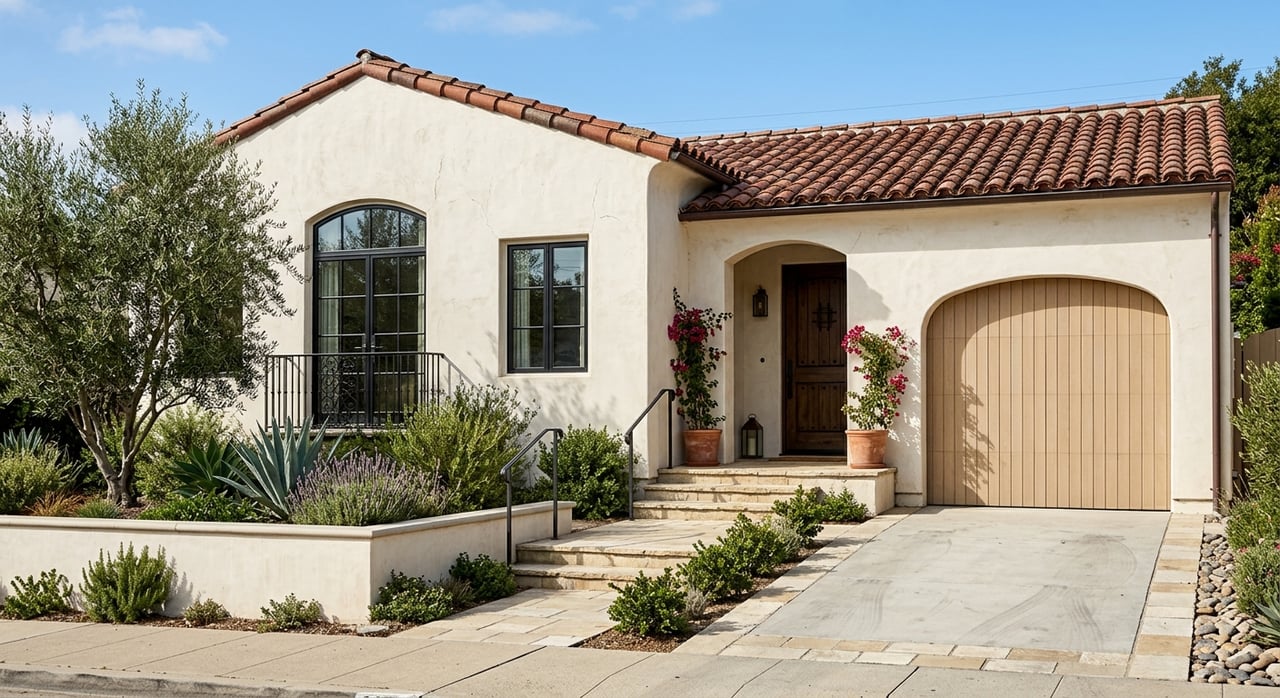
If you have owned property in Point Loma for years, you have probably noticed something important: this market rarely moves in a straight line, but it also rarely loses the traits that make owners want to stay. That can make it hard to separate short-term headlines from the bigger picture. If you are thinking about your equity, future improvements, or eventual resale timing, understanding the local trend lines can help you make calmer, smarter decisions. Let’s dive in.
Point Loma Starts With Scarcity
Point Loma is often discussed through public data for 92106 or the broader Point Loma Peninsula, which are useful but imperfect stand-ins for the neighborhood itself. The larger Peninsula community covers about 4,409 acres, or roughly 7 square miles, and includes subareas such as Loma Portal, Fleetridge, Roseville, Sunset Cliffs, La Playa, and Liberty Station.
That matters because no single data point captures every pocket equally well. For long-term owners, the real takeaway is that Point Loma is made up of several distinct micro-markets, and block-level differences can influence value just as much as broad ZIP-code averages.
The City of San Diego describes Point Loma as one of the city’s oldest communities and one of its most desirable, with ocean and downtown views, a strong maritime and military presence, and nearby landmarks like Cabrillo National Monument. Combined with limited buildable land and established housing stock, those factors help explain why Point Loma often behaves like a long-hold market.
Long-Term Ownership Has Strong Local Context
The owner base in 92106 appears relatively established. Census Reporter shows 21,651 residents, 7,647 households, a median household income of $142,897, and a median value of owner-occupied housing units of $1.515 million.
Those figures do not predict your home’s future value, but they do offer useful context. In general, they point to a community where durable occupancy and equity preservation play a meaningful role in the market.
Current Point Loma Price Signals
Several recent data sources show that Point Loma remains an expensive and competitive market, even though the numbers vary depending on source and property type. The key is not to force them into one exact story, but to read them together.
Zillow’s 92106 home value index was $1.833 million as of June 30, 2026, up 1.4% year over year. Zillow also reported 66 homes for sale, 21 new listings, and a median of 22 days to pending.
Redfin’s Point Loma Peninsula page showed a median sale price of $1.38 million for the three months ending May 2026, down 12.1% year over year. Redfin also reported homes selling in about 28 days, with roughly 3 offers on average, a 98.9% sale-to-list ratio, 27.1% of homes selling above list, and 28.4% with price drops.
At first glance, those figures may seem contradictory. They are not necessarily in conflict, because they use different geographies, time windows, and methodologies.
Detached And Attached Homes Are Not Moving The Same Way
For long-term owners, this may be the most important trend in the current data. Detached homes and attached homes are not showing the same performance.
According to the June 2026 SDAR MLS report for Point Loma, detached homes posted a median sale price of $2.32 million, with 3.1 months of supply, 17 days on market, and 103.0% of original list price received. Attached homes posted a $1.025 million median, with 2.4 months of supply, 18 days on market, and 96.5% of original list price received.
That difference matters whether you plan to sell soon or hold for years. If you own a detached home, your market may be showing stronger pricing power than the attached segment. If you own a condo or townhome, your value story may require more precise positioning and more careful comp selection.
Why A Single Median Can Mislead You
It is easy to overreact to one monthly chart, especially in a smaller coastal market. But SDAR specifically notes that some Point Loma subsegments have small sample sizes, which can make percentage changes look more dramatic than they really are.
That means one monthly jump or drop does not always signal a major shift in underlying demand. For owners, the smarter approach is to watch patterns over time and compare your property only to truly similar homes.
Micro-Location Still Drives Value
In Point Loma, broad averages only go so far. A home in La Playa, Sunset Cliffs, Loma Portal, or Roseville may compete with a very different buyer pool even when all of those homes are grouped under the same larger market label.
Views, lot placement, street character, parking, remodel quality, and proximity to coastal amenities can all affect pricing. For long-term owners, this reinforces an important point: your home’s value is shaped by its exact context, not just by the latest Peninsula headline.
Renovation Trends Matter More Here
In an established coastal community, value is often protected or improved through thoughtful updates over time. But in Point Loma, renovation is not just about style. It is also about process, compliance, and documentation.
The City of San Diego states that permits are required for new construction, additions, remodeling, and repairs to electrical, mechanical, and plumbing systems. The city’s permit dataset is updated daily, which means improvement activity is often visible through public records.
For owners thinking long term, permitted work can matter at resale. When improvements are documented and compliant, they are generally easier to support during pricing, buyer review, and escrow conversations.
Historic Review Can Affect Your Plans
Some parts of the broader area may also involve historic district considerations. The City’s historic district guidance explains that approval is required before maintenance, restoration, or alteration work begins in those districts, and it notes that most improvements still require permits even when a property is not historically designated.
That does not mean improvement is impossible. It means timeline, scope, and approvals should be part of your planning before you start a project.
Coastal Rules Shape Reinvestment
Point Loma owners also deal with the realities of coastal regulation. A city project example on Scott Street highlights how larger projects in 92106 can be shaped by coastal-overlay, coastal-height-limit, and parking-impact rules.
For long-term owners, that is a useful reminder that reinvestment in coastal markets is shaped by more than buyer demand. Local rules can affect what gets built, how properties are improved, and how scarce certain features remain over time.
Resilience Should Be Part Of The Plan
If you are holding property for the long run, maintenance timing matters. Redfin classifies Point Loma Peninsula as having moderate flood risk, with 5% of properties at risk of severe flooding over the next 30 years, while wildfire risk is described as minimal.
That does not change the appeal of the area, but it does support a practical ownership mindset. Planning for drainage, exterior upkeep, and resilience-minded improvements may be just as important as cosmetic upgrades.
What Long-Term Owners Should Watch Next
If you own in Point Loma, the data suggest that patience still matters. Inventory remains relatively limited, homes continue to move fairly quickly, and detached homes are currently outperforming attached units on both pricing and list-price performance.
That points to a market where strategy matters more than speed. Owners who understand their property type, micro-location, and improvement profile are better positioned to make decisions that protect equity over time.
Here are a few smart checkpoints to keep in mind:
- Track detached and attached trends separately
- Review comparable sales by micro-neighborhood, not just ZIP code
- Keep records for major repairs and permitted improvements
- Factor local approval timelines into renovation planning
- Watch inventory and days on market alongside price headlines
For many owners, the biggest mistake is assuming Point Loma moves as one uniform market. In reality, this is a place where nuance matters, and long-term value is often supported by scarcity, condition, location, and disciplined decision-making.
If you want a clearer read on how your specific property fits into current Point Loma trends, a tailored analysis is usually more useful than any broad online estimate. When you are ready for a strategic conversation about timing, pricing, or upgrades, connect with Justin Halbert for a local, negotiation-minded perspective.
FAQs
Is 92106 exactly the same as Point Loma?
- No. Public data often uses 92106 or the broader Peninsula area as a practical proxy, but the Peninsula includes several distinct subareas beyond Point Loma alone.
Do detached and attached Point Loma homes follow the same market trend?
- No. June 2026 SDAR data showed detached homes outperforming attached homes on median price and original list-price performance.
Should Point Loma owners rely on one monthly median sale price?
- No. Small sample sizes in some Point Loma segments can make percentage swings look larger than the underlying trend.
Do permits matter for Point Loma resale value?
- Yes. The City of San Diego requires permits for many types of work, and documented, compliant improvements are generally easier to support during resale.
Can historic rules affect Point Loma renovation plans?
- Yes. In historic districts, approval is required before maintenance, restoration, or alteration work begins, and many projects still require permits.
What is one key trend long-term Point Loma owners should watch?
- One of the biggest current trends is the gap between detached and attached home performance, which makes property-type-specific pricing and planning especially important.